
Ever walked into a building that feels icy in winter or stifling in summer – no matter how high the bills climb? That’s where poor insulation bites hardest – trapping you in discomfort, higher energy use and rising costs.
Choosing the right insulation is more than picking what’s “popular” – it depends on moisture, heat flow, and location quirks. Tropical humidity, dry outback air, or cool coastal breezes all play different games with building performance.
At MBS, we work with building managers, developers, and facility operators to help get this decision right from the start.
We guide you toward materials that match your project’s climate zone and meet NSW regulations with confidence.
Step inside any building and you’ll feel it – either soothing comfort or sharp discomfort. That difference often comes down to insulation.
Insulation doesn’t stop at keeping the chill out or locking cool air in. It responds to moisture, sun strength, and airflow unique to each zone. Whether you’re dealing with sticky Sydney humidity or crisp Canberra mornings, getting it right saves heaps on energy bills. We’ve spent over 40 years helping builders across NSW match insulation to climate zones with confidence and precision.
Insulation acts like a barrier against unwanted temperature shifts – keeping you cooler in summer and warmer in winter.
In cold climates, insulation holds heat in. In hot areas, it blocks heat out. Its job is to control heat flow through walls, ceilings, floors, and roofs so indoor temperatures stay steady. But every climate demands different insulation characteristics – what works in the Blue Mountains might underperform in inner Sydney. That’s why the choice of insulation hinges on your region’s specific temperature and weather patterns.
Australia’s eight climate zones range from humid tropics to frosty highlands, making a universal insulation solution impossible.
For example, Darwin sits in Zone 1 – humid, hot, and wet. Canberra falls into Zone 7, where winters bite harder. These differences shape insulation performance dramatically. Factors like average temperatures, humidity, and wind exposure all affect how insulation behaves. Our advice? Follow the zone-specific data because going with what’s “standard” risks waste, inefficiency, and rising costs over time.
Getting stuck choosing between batts, wraps, or panels? Start with R-Value – it measures how well insulation resists heat flow.
Higher R-Value means better performance, but it needs to be zone-appropriate. Add to that vapour permeability – how well a material breathes – and you’re looking at moisture control too. Then consider thermal bridging: places heat skips past insulation. Choosing the right combination, including both internal and external layers, builds a stronger system equipped for your precise climate zone.
Insulation isn’t one-size-fits-all – it comes in forms as varied as our Sydney weather. Let’s unpack the main types.
Each material has different perks based on fire resistance, cost, life span, and climate use. Knowing which one belongs comes down to experience, and we’ve had decades of working shoulder-to-shoulder with local builders who rely on our advice. Here’s a look at what’s commonly used across NSW homes and commercial spaces.
From attic batts to wall layers, these popular materials offer a solid foundation for any build – if you choose the right one.
Some builds demand more than basic materials – especially in extreme or hybrid environments. That’s where specialty options excel.
Reflective foil bounces off radiant heat and works in hot zones. Structural insulated panels, or SIPs, combine wall layers and core insulation in one go – great for quick builds. Weatherproof wraps help building exteriors breathe in humidity-heavy coastal areas. Vapour-permeable membranes control airflow too, preventing hidden moisture that damages structures over time.
Matching insulation to your climate zone is like picking the right gear for a hike – you need to dress your building properly.
A thick wool coat won’t suit a beach stroll, and neither will bulky insulation in steamy Darwin. Hot, cold, dry, inland, or coastal – each zone brings its own challenges. Here’s how we help our clients choose just right for where they build.
When the humidity clings like a second skin, your home needs insulation that reflects radiant heat and breathes – fast.
In tropical areas, reflective foil and radiant barriers work wonders by pushing back intense heat. Vapour-permeable wraps avoid moisture buildup, allowing walls to breathe. Ventilation is key. Combine insulation with design choices like eaves and ventilated roof cavities to avoid internal heat gain. We’ve helped countless Northern NSW builders avoid sweaty mistakes by fine-tuning their builds to suit tropical demands.
Winter chills shouldn’t creep through walls like unwelcome guests. In colder zones, insulation must trap warmth firmly inside.
High R-value bulk insulation – like batts or layered panels – lines walls, floors, and ceilings. Airtightness becomes top priority, especially around joists and cavities. Preventing thermal bridging, by using thermal breaks with metal framing, keeps pockets of cold from sneaking in. We work closely with builders in Canberra’s Zone 7 to guide them through layering techniques that keep warmth where it belongs.
Mild and breezy isn’t “easy” for insulation – it still needs smart performance, especially near the ocean.
In Sydney and similar zones, moderate R-value products strike balance without overspending. Foil-backed insulation and hybrid systems work well where damp wind and variable days are common. Salt-laced air can corrode inferior materials, so we always recommend corrosion-resistant insulation and fasteners for beachfront and coast-adjacent projects. Our coastal clients often rely on our hybrid material blends to breeze through coastal conditions with ease.
Temperature flips from boiling days to freezing nights – arid zones demand insulation that adapts fast and lasts long.
High thermal mass materials work best to slow heat movement. We often suggest combining roof insulation with under-floor solutions, especially in desert-prone areas like Alice Springs. Insulation wraps help minimise dust intrusion, while fire-resistant panels provide another layer of resilience. Our clients working inland often choose durable products that hold up under harsh sun and temperature swings alike.
Picking the perfect insulation starts with knowing your zone – but the right choice involves a few key moving parts.
We guide building professionals by weighing their climate challenges, code requirements, and project-specific targets for comfort and savings. Here’s how decisions come together smoothly.
Every zone across NSW sets different expectations – what works inland won’t always suit Bondi.
Climate zone dictates minimum R-Value and moisture control needs. Then come the local building codes. NatHERS and NCC have specific targets based on region, with rising energy-performance ratings to meet. Builders often come to us at the design stage to align plans early with those guidelines, helping projects stay compliant and efficient from the get-go.
The best material isn’t always the priciest – it’s the one that lasts, performs, and helps you meet green goals.
We stock insulation with eco-certifications like LEED and Global GreenTag because today’s buildings are measured for more than bill savings – they’re judged on whole-life impact. Choosing recyclable, low-impact insulation that holds up for decades means better outcomes for clients and councils. Plus, sustainable builds often earn rebates or approval faster across NSW regions.
Great insulation performs best only when properly installed – and maintained over the years to keep that performance steady.
Our clients trust us to do more than supply materials. We help them set up systems that last by offering tools, advice, and access-friendly delivery – so everything fits and functions beautifully.
Even the best insulation fails if you leave gaps. Proper installation protects comfort, energy savings, and safety.
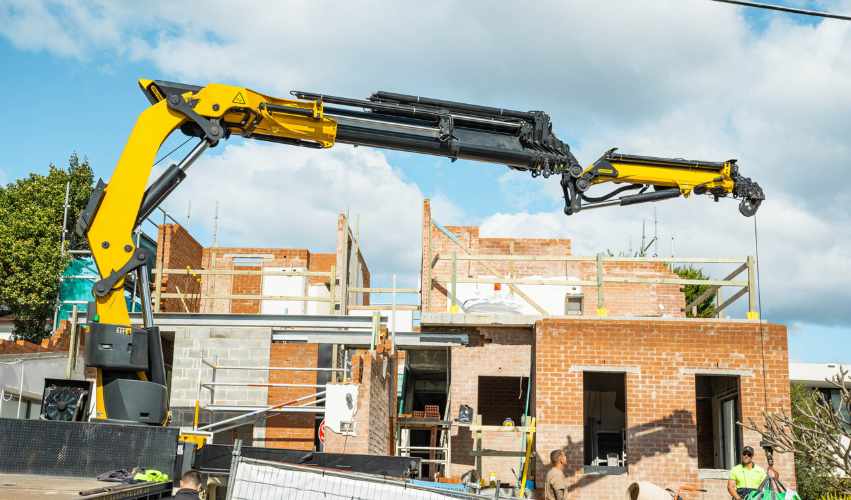
Minimise thermal bridging with continuous insulation. Avoid compression, ensure snug joins, and seal air gaps. Use protective gear and consider product-specific handling needs – especially in tight crawl spaces. Hiring trained installers is worth the investment, and our crane delivery ensures your materials get exactly where you need them – even the fourth floor, tight laneway, or rooftop.
Effective insulation needs occasional check-ups – just like any other part of your home.
Check for pests, mould, or damp spots each year. In older homes, retrofitting missing insulation improves performance. We often help crews in Sydney suburbs replace damaged sections from past leaks or poor installs. Keeping an eye on it preserves comfort and protects structure over decades.
Rules and star ratings aren’t just paperwork – they shape how builders in NSW plan, layer, and finish insulation installs.
With years spent navigating local codes, we make sure our clients’ insulation choices tick every right box for long-term savings and compliance peace of mind.
The NCC sets baseline R-Values across climate zones. NatHERS awards homes star ratings based on how well they perform.
To hit those 6 or 7-star targets, insulation must match regional needs exactly. Using higher R-values in ceiling or underfloor layers often gives the biggest boost. We’ve helped builders all over NSW improve ratings using targeted upgrades, hybrid materials, and smarter installation methods.
Certifications give you peace of mind that insulation does what it claims – and that it’s safe for people and the planet.
Look for labels like GECA, EPD Australasia, or EcoSpecifier. These back up sustainability claims with data. We help builders interpret labels, identify locally suitable options, and avoid greenwashing – all part of building smarter and cleaner in NSW.
Bulk batts with high R-value are budget-friendly and work well. Fibreglass or mineral wool gives solid coverage and warmth control.
Yes – especially in humid areas. Use vapour-permeable wraps to reduce condensation and keep walls dry and mould-free.
Every 2 to 5 years. Early checks find pests, damage, or damp, especially after big storms or leaks.
Absolutely. Hybrid builds using bulk plus reflective insulation often give better thermal results – with fewer gaps and better control.
Choices vary with climate. NSW may use different blends than VIC or QLD, depending on temperature, wind, and moisture needs.
Getting insulation right isn’t just a technical checkbox – it’s the difference between year-round comfort and constant complaints. No matter the building type or location, one simple truth stands: the wrong material causes more headaches than it’s worth.
The smart move is pairing your climate with the most suitable insulation – it pays off in performance, savings, and peace of mind. There’s no point cutting corners when the right decision now saves years of fixes later.
At MBS, we help clients across NSW choose and install climate-appropriate insulation through integrated HVAC and building services. Connect with us to get it sorted.
As a trade partner at MBS, your business has access to our world of landscaping and building supplies. Sign up now and be the first to know about any news, specials or events happening.
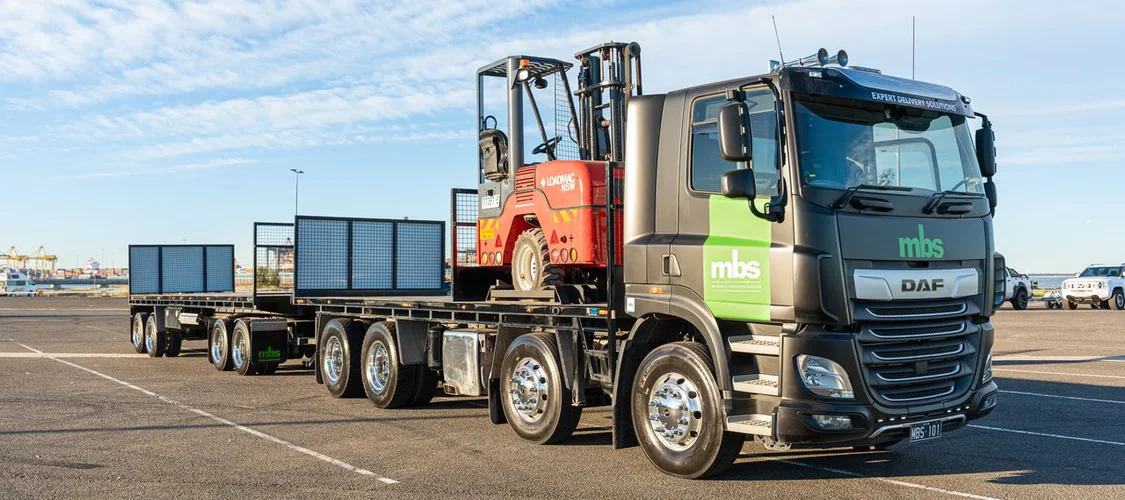
With Trailer:
Height: 3.3m | Width: 2.6m | Tray Length: 16m | Overall Length: 20m | Payload: 28 T
Without Trailer:
Height: 3.3m | Width: 2.6m | Tray Length: 7.3m | Overall Length: 11m | Payload: 12.8 T
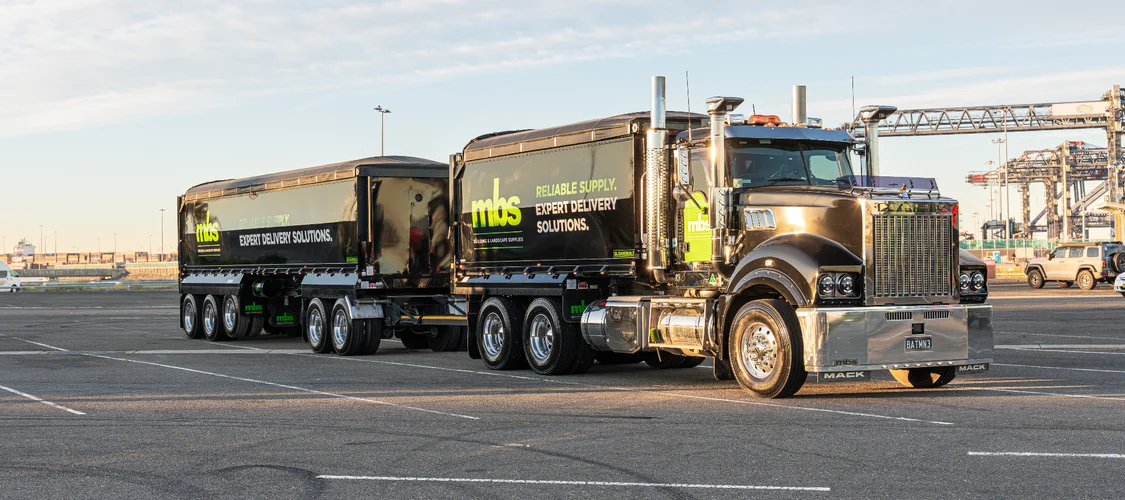
Overall Length: 25m | Payload: 42.5 T
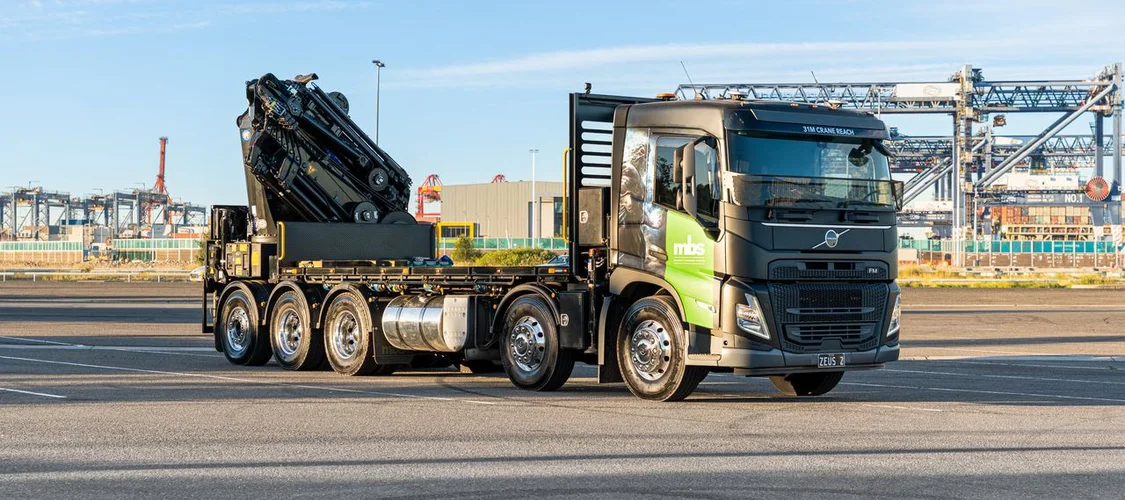
Heavy-duty crane truck fitted with a long-reach crane and tray for transporting and positioning materials on site. Its extended crane setup makes it well suited to jobs where materials need to be lifted over obstacles or placed further from the truck.

A medium sized truck with a 4.5 tonne payload. Excellent for sites that can take loose/bulk material.
Height: 2.4m | Width: 2.4m | Tipper Length: 3.83m | Overall Length: 5.87m | Payload: 4.7 tonne
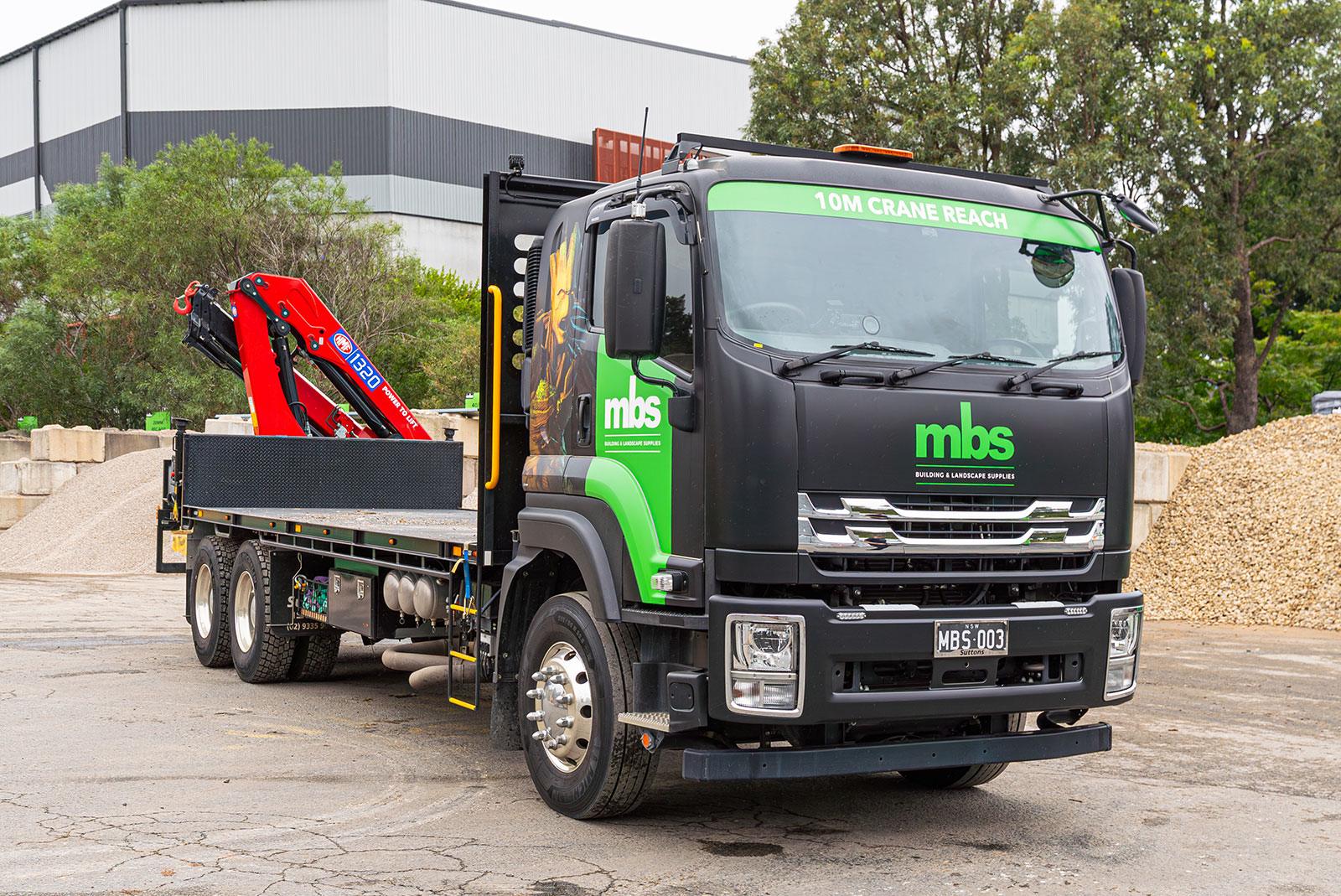
This truck has a 10.8T payload with a crane cable of reaching 10 metres at 1 tonne
Height: 3.4m | Width: 2.4m | Tray Length: 6.5m | Overall Length: 9.95m | Payload: 10.8 tonne
*Operating width includes outriggers fully extended to one side
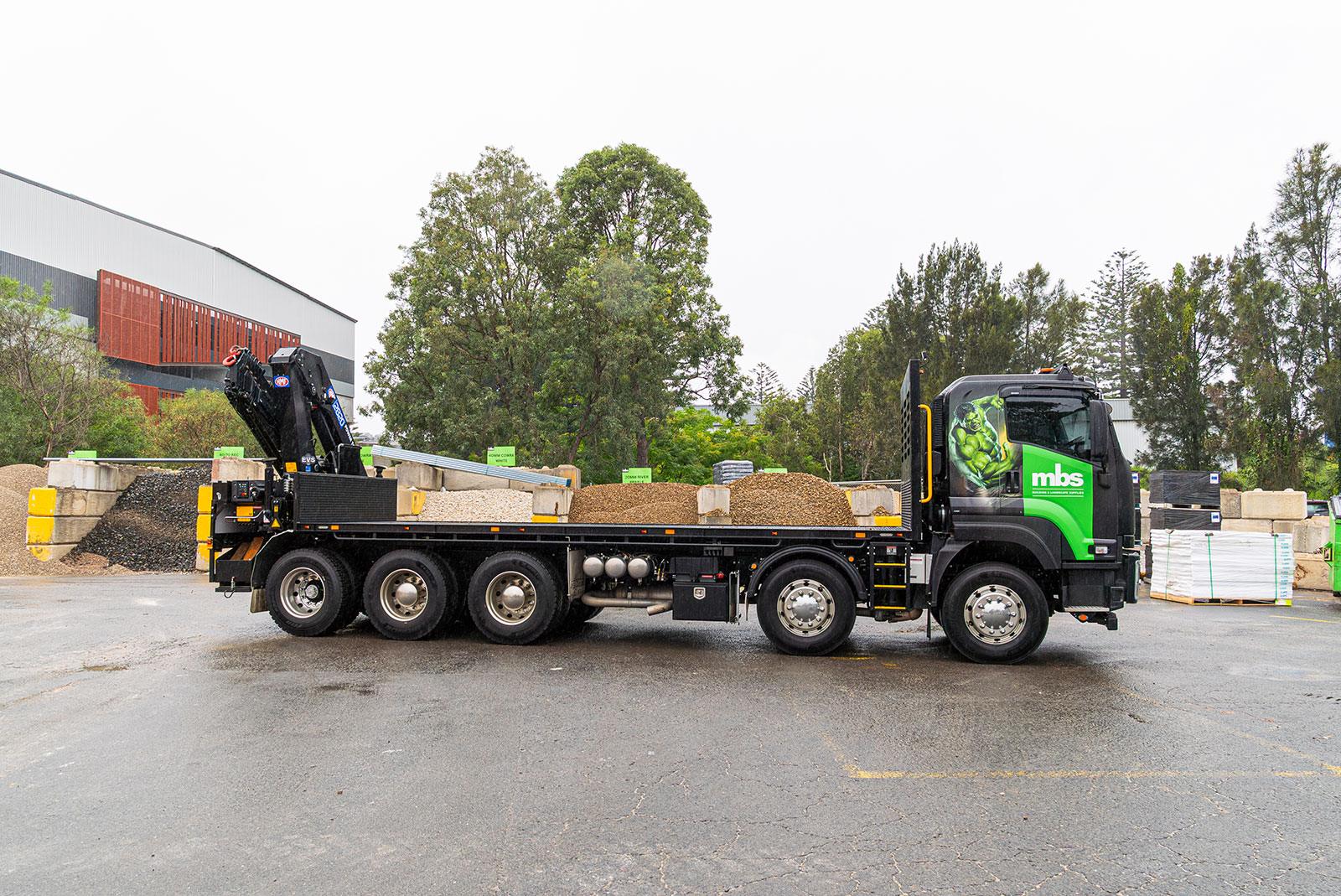
Height: 3.5m | Width 2.4m | Operating Width: 5.5m | Tray Length: 6.98m | Overall Length: 10.5m | Payload: 14.8 Tonne | Crane: 17m @ 1 Tonne
*Operating width includes outriggers fully extended to one side

The Concrete Butler is a volumetric concrete mixer which produces concrete on demand & precisely tailored to your requirements. Its perfect for the small scale pours of 0.5m3 – 6m3. This unique systems allows you to pay for exactly what you use, eliminating any waste and unnecessary expenses.
Length: 10.6m | Height: 3.5m | Width: 2.4m

We have a fleet of modern Truck & Dog tipper trucks with payloads up to 40 tonnes. Our bulk transport division is perfect for your bulk loads or for your long distance haulage requirements. Our fleet are Mass & Fatigue accredited with the NHVR. NHVR is Australia’s regulator for all heavy vehicles.

Our 10 wheeler table top is great for those job sites where you need max playload and efficiency with your palletised goods. Block, bricks and cement can be delivered with easy and material can either be craned or forklifted on site. A crane or forklift must be present on site to assist with unloading.
Pallet Spaces: 10 | Overall length: 10.6m | Payload: 18 tonne | Height: 3.7m | Width: 2.5m |Tray length: 7.3m

This truck has a 12.2 ton payload and a 8 meter rear mounted crane. This truck can also pull a dog trailer increasing payload to a whopping 24 ton and offering unrivalled value for your delivery dollar. (Only capable of delivering bulka bags or palletised products)
Truck: Height: 2.9m Width 2.4m Tray Length: 4m Overall Length 7.4m Payload: 12.2 Tonne Crane: 8m @ 1 Tonne
Trailer: Height: 2.9m Width 2.4m Tray Length: 5.9m Overall Length 8.5m Payload: 13.7 Tonne
Total: Overall Length 17m Payload 25.9 Tonne

MBS crane hire offers the ability to reach 31 meters with the flexibility of a table top truck allowing for transportation of goods up to 6 meters in length. This crane truck is a modern Volvo European truck with a highly capable and technologically advanced rear mounted 31 meter reach Palfinger Crane. It’s a recipe for excellent onsite solutions and one that possess the ability to reach further onsite, winch, transport and ultimately offer unparalleled convenience.
Height: 4.11m | Width: 2.4m | Operating Width: 6m | Tray Length: 6m | Overall Length: 11.5m | Payload: 6.5 tonne | Crane: 31m @ 500kg
*Operating width includes outriggers fully extended to one side

Offering a 11.2 ton payload and a massive 21 meter reach at one tonne this truck offers unrivalled onsite logistics. This truck can crane our materials onsite or be hired for onsite crane work making your onsite logistics a simple phone call. (Only capable of delivering bulka bags or palletised products)
Height: 3.5m | Width 2.4m | Operating Width: 6m* | Tray Length: 6.5m | Overall Length: 11.5m | Payload: 11 Tonne | Crane: 21m @ 1 Tonne
*Operating width includes outriggers fully extended to one side

This 17 metre rear mounted crane truck can pretty much do it all. Offering a whopping 12.7 ton payload and the ability to crane 1 tonne at 17 metres this truck is perfect for onsite crane work or lifting material to those otherwise out of reach places. (Only capable of delivering bulka bags or palletised products)
Height: 3.5m | Width 2.4m | Operating Width: 5.5m | Tray Length: 6.5m | Overall Length: 10.2m | Payload: 12 Tonne | Crane: 17m @ 1 Tonne
*Operating width includes outriggers fully extended to one side

This truck has a 12.2 ton payload and a 8 meter rear mounted crane. This crane truck can also pull a dog trailer increasing payload to a whopping 24 ton and offering unrivalled value for your delivery dollar. (Only capable of delivering bulka bags or palletised products)
Height: 2.9m | Width 2.4m | Tray Length: 4m | Overall Length: 7.4m | Payload: 12.2 Tonne | Crane: 8m @ 1 Tonne
*Operating width includes outriggers fully extended to one side

This little truck offers a 5 meter rear mounted crane and excellent onsite logistics whilst offering a 6.6 ton payload. (Only capable of delivering bulka bags or palletised products)
Height: 2.9m | Width 2.4m | Tray Length: 4m | Overall Length: 7.4m | Payload: 7 Tonne | Crane: 5.5m @ 1 Tonne

Code name “Spiderman” this is one of the most versatile trucks in our fleet, the 3m crane/tipper combo can deliver loose, bulka bag or even palletised material on-site, and placed on the ground for your convenience. Being the smallest of our crane trucks, it has the ability of getting into those tighter access areas where other larger crane truck cannot.
Height: 3.0m | Width 2.4m | Tray Length Internal: 3.5m | Overall Length: 6.3m | Payload: 5 Tonne Crane: 3.5m@ 1 Tonne

A medium sized truck with a 5 ton payload. Excellent for sites that can take loose/bulk material.
Height: 3.1m | Width 2.85m | Tray Length: 4.1m | Overall Length 6.6m

Small and compact this little truck has a 3 ton payload and is excellent for those tight jobs where access is limited.
Height: 2.1m | Width 2.0m | Tray Length: 3.08m | Overall Length 4.8m | Tipping Height: 4.3m | Payload: 3 Tonne